Dua for Breaking the Fast (Iftar): The Authentic Wording and the Trap to Avoid
In short
The authentic dua after breaking your fast is Dhahaba adh-dhama'u wabtallati-l-'uruq wa thabata-l-ajru in sha Allah — "The thirst is gone, the veins are moistened, and the reward is established, if Allah wills" (Abu Dawud 2357). It is said after breaking, once you have taken a date or a sip of water. The popular Allahumma laka sumtu is graded weak (da'if), so it should not be treated as the established sunnah. The most precious moment, though, comes just before breaking: while still fasting, the fasting person has a supplication that is not rejected (Ibn Majah 1753), so make your own dua then.
There is one minute, every evening of Ramadan, that most people waste. You are there, hungry, exhausted, the table is set, the sun is nearly down. Your whole body is thinking of one thing: eat. And it is exactly that minute, just before you break, that the Prophet ﷺ pointed to as an open door to Allah.
The fasting person, at the moment of breaking the fast, has a supplication that is not rejected (Ibn Majah 1753). Not turned away. Not put on hold. And yet, how many lunge for the date without having asked for anything? Don't make that mistake this year.
The real treasure of iftar: your own dua, before eating
Note the order carefully, because this is where almost everyone gets it wrong. The most precious thing at iftar is not a formula to recite: it is your own request, made in the last minutes before maghrib, still fasting. Ask for what truly matters to you, in your own words. It is a supplication that is not rejected, and it comes back every evening for thirty days. Thirty open doors in a row.
It is the same principle as the best times to make dua: Allah has placed moments when the request goes through. Iftar is one of them, and it is in your schedule every single evening.
The authentic wording, after breaking
Once you have broken (a date, a sip of water), the authentic wording reported from the Prophet ﷺ is:
ذَهَبَ الظَّمَأُ وَابْتَلَّتِ الْعُرُوقُ وَثَبَتَ الْأَجْرُ إِنْ شَاءَ اللَّهُ
Dhahaba-ẓ-ẓama'u wa-btallati-l-ʿurūqu wa thabata-l-ajru in shā'a-llāh
The thirst is gone, the veins are moistened, and the reward is established, if Allah wills.
Look at the beauty of these words: they demand nothing. They acknowledge Allah's mercy (the thirst gone, the body rehydrated) and entrust the reward to Him. It is a word of gratitude, not of demand.
The trap: "Allahumma laka sumtu"
Here is the formula you have probably learned and that everyone repeats: “Allahumma laka sumtu wa ʿala rizqika aftartu” (O Allah, for You I fasted and with Your provision I broke). It is beautiful, its meaning is good, but its authenticity is weak (da'if): its chain is graded mursal and weak by hadith scholars.
This does not mean it is a sin to say it. But it does mean it should not be presented as the established sunnah of iftar, while the authentic wording, “Dhahaba adh-dhama'u,” is often forgotten. This is exactly the kind of distinction Nida is built on: we do not fabricate, we do not pass the weak off as authentic. You deserve to know what truly comes from the Prophet ﷺ.
How to break, according to the Sunnah
A few simple things the Prophet ﷺ practised:
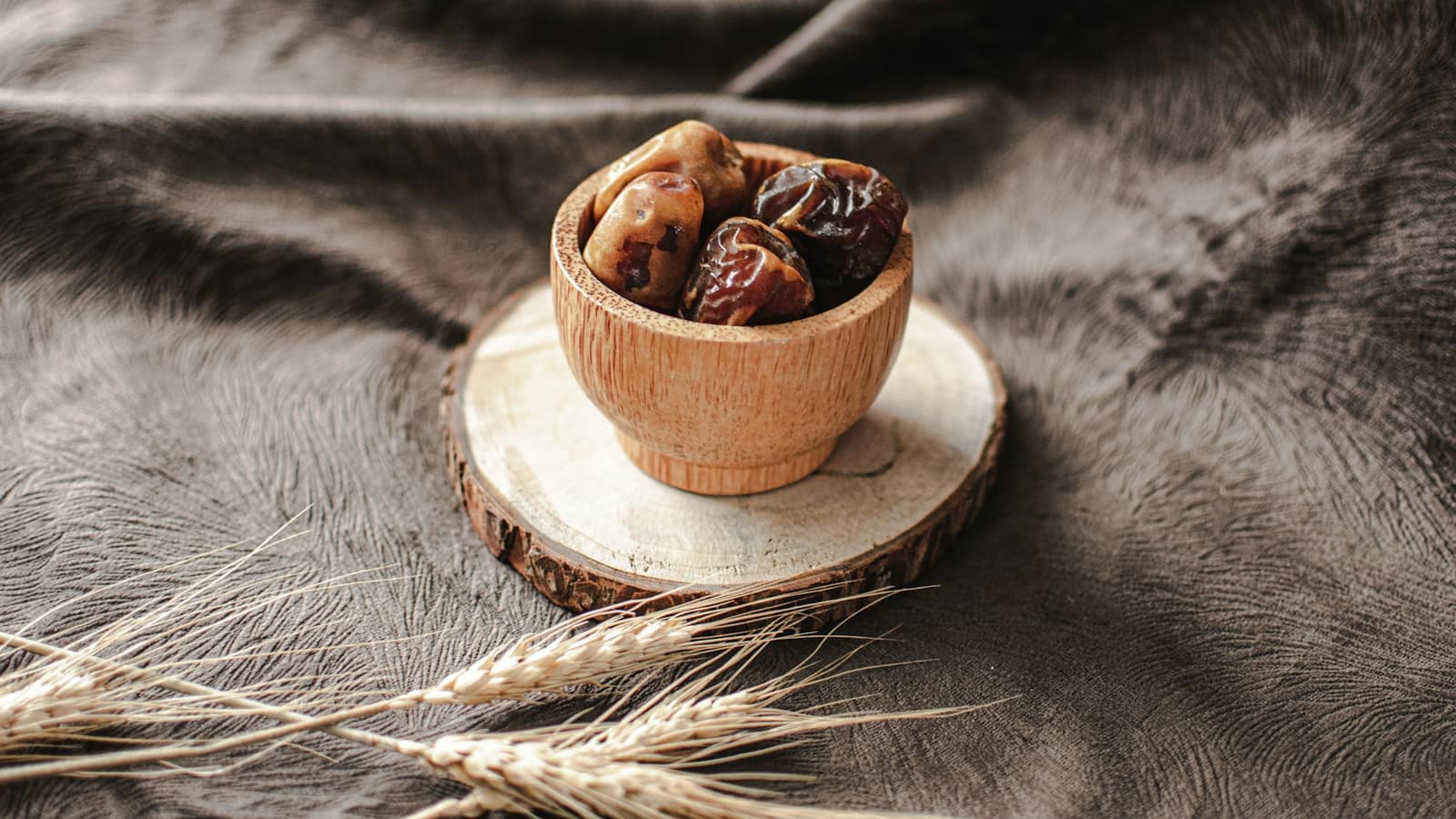
- Break with dates, fresh if possible, otherwise dried, and failing that a few sips of water (Abu Dawud 2356).
- Say “Bismillah” before eating, as with any meal.
- Do not delay breaking once the sun has set: “The people will remain upon good as long as they hasten breaking the fast” (Bukhari 1957).
The iftar table
| When | What you say | Source |
|---|---|---|
| Just before breaking (still fasting) | Your own dua (not rejected) | Ibn Majah 1753 |
| As you eat | Bismillah | general practice |
| After breaking | Dhahaba adh-dhama'u… | Abu Dawud 2357 |
Stop letting the golden minute slip
The problem is never the desire to ask. It is that at the exact moment of iftar, hungry and surrounded, you forget what you meant to ask, or you no longer know which formula is the right one. Then the door closes and the evening is gone.
This is exactly what Nida is for during Ramadan:
- You prepare your iftar dua in advance, in your own words, the way of the Prophet ﷺ.
- You keep it in your “Ramadan” folder, next to the authentic “Dhahaba adh-dhama'u.”
- You find it in one tap as maghrib approaches, no stumbling, no searching.
Arrive at every iftar with your request already prepared. Thirty evenings, thirty open doors, none wasted. We explain how to keep this habit in the dua journal, and all the invocations of the month are in the Ramadan duas guide.
In practice
Tonight (or from the first day of Ramadan), do not lunge for the date. In the two minutes before maghrib, still fasting, raise your hands and ask for the thing that matters most to you. Then break with a date, say “Bismillah,” and once the first bite is down, say “Dhahaba adh-dhama'u wabtallati-l-'uruq wa thabata-l-ajru in sha Allah.” That is iftar as the Prophet ﷺ lived it: the request first, then the gratitude.