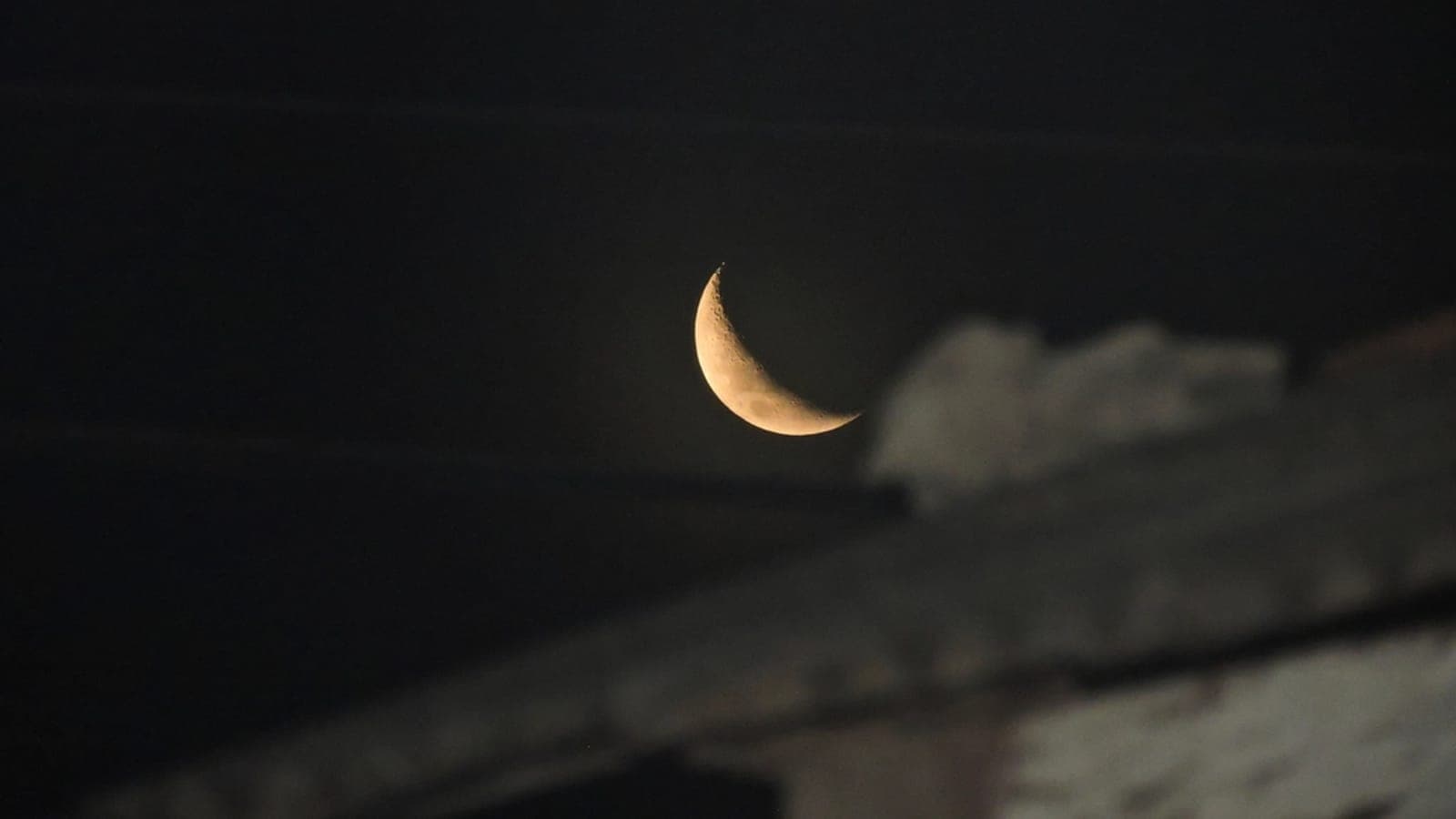
Dua for Laylatul Qadr: The One Supplication the Prophet ﷺ Taught for the Night of Decree
In short
The dua the Prophet ﷺ taught for Laylatul Qadr is ‘Allahumma innaka ‘afuwwun tuhibbu-l-‘afwa fa‘fu ‘anni’ (O Allah, You are the One who pardons, You love to pardon, so pardon me), which he gave to Aisha when she asked what to say on the night (Ibn Majah 3850 and an-Nasa'i). Say it in the odd nights of the last ten of Ramadan (the 21st, 23rd, 25th, 27th and 29th), since the Prophet ﷺ told us to seek the night among them rather than fix one date (Bukhari 2017). Keep to this confirmed wording without the added word ‘karim’, which al-Albani judged a copyist's addition to the longer printed form of Tirmidhi 3513.
There is one dua the Prophet ﷺ taught for the greatest night of the year. It is short. And it is not what most people spend the night asking for. Before Ramadan arrives, learn it, and learn where it sits, so that when the Night of Decree comes you are not searching for words while the door is open.
The night better than a thousand months
Allah gave a whole surah to this night:
“Indeed, We sent it down during the Night of Decree. And what can make you know what the Night of Decree is? The Night of Decree is better than a thousand months.” (Qur'an 97:1-3)
Better than a thousand months: more than eighty years of worship, folded into a single night. And the Prophet ﷺ said whoever stands this night in faith, seeking reward, has his past sins forgiven (Bukhari 1901). That is the prize on offer. Not wealth, not a changed circumstance: to walk out of the night washed clean.
The one dua he taught: ask for pardon
Aisha (may Allah be pleased with her) went straight to the point. She asked the Prophet ﷺ: if I know which night is Laylatul Qadr, what should I say? His answer was this single supplication:
اللَّهُمَّ إِنَّكَ عَفُوٌّ تُحِبُّ الْعَفْوَ فَاعْفُ عَنِّي
Allāhumma innaka ʿafuwwun tuḥibbu-l-ʿafwa faʿfu ʿannī
O Allah, You are the One who pardons, You love to pardon, so pardon me.
Read what he did not teach her. Not “ask for provision.” Not “ask for the dunya.” He handed her a request for pardon, because the summit of what a servant can receive on this night is forgiveness. Everything else follows from that. This is the heart of the anti-manifestation posture too: you are not commanding an outcome from the universe, you are asking your Lord, by His own name, for the thing He most loves to give. If you want to go deeper on turning back to Allah, read the dua for forgiveness and tawba.
The wording trap: “karim” is an addition
You will hear this dua recited almost everywhere with an extra word: “Allahumma innaka ‘afuwwun karim tuhibbu-l-‘afwa fa‘fu ‘anni.” It sounds beautiful, and the meaning of ‘karim’ (the Generous) is true of Allah. But the wording confirmed for the narration taught to Aisha, in Ibn Majah 3850 and an-Nasa'i, has no ‘karim’ after ‘afuwwun. Printed editions of Tirmidhi 3513 do carry the longer ‘karim’ wording, but al-Albani judged that word a copyist's addition. So the added word is a common but unestablished insertion into the text of the hadith.
This matters, and it is the whole spirit of Nida. We do not smooth over or “improve” a revealed wording. When you attribute exact words to the Prophet ﷺ, they must be his. So keep to the confirmed form:
Allahumma innaka ‘afuwwun tuhibbu-l-‘afwa fa‘fu ‘anni.
Say it that way, with certainty. Nothing is lost, and you stay on the safe side of authenticity.
When to say it: the last ten, the odd nights
Do not fix the night to a single date. The Prophet ﷺ said:
“Seek the Night of Decree in the odd nights of the last ten of Ramadan.” (Bukhari 2017)
So the candidates are the 21st, 23rd, 25th, 27th and 29th nights. The 27th is often singled out, and there is weighty opinion behind it, but it was never declared certain. Treating one specific date as guaranteed goes against the very way the Prophet ﷺ described the night. Its concealment is a mercy: it makes you strive across all ten nights instead of one. For a full map of when supplication is most likely answered, see the best times to make dua.
What to actually do across the ten nights
| Night of the last ten | What you do | Source |
|---|---|---|
| Every odd night (21, 23, 25, 27, 29) | Stand in prayer, seek the night | Bukhari 2017 |
| When you hope it is the night | Repeat ‘Allahumma innaka ‘afuwwun…’ | Ibn Majah 3850 |
| Standing the night in faith | Past sins forgiven | Bukhari 1901 |
| The rest of your night | Your own personal dua, in your words | per Qur'an 2:186 |
Notice the last row. The named dua is the anchor, but the night is long, and Allah is near: “I respond to the call of the caller when he calls upon Me” (Qur'an 2:186). Alongside ‘Allahumma innaka ‘afuwwun,’ pour out your own requests, for your parents, your iman, the specific thing weighing on your heart. This night sits inside the wider month, and we cover the whole picture in the guide to Ramadan duas.
Do not arrive empty-handed
The real loss is not sleeping through one night. It is reaching the last ten with nothing prepared: no dua learned, no requests written, the hours slipping by while you try to remember what you wanted to ask. The people who truly seize this night are the ones who prepared for it, weeks before.
This is exactly where Nida becomes your companion for the last ten nights:
- Compose your personal dua for the night, in your own words, shaped in the way of the Prophet ﷺ (praise, salawat, then your need), never a fabricated text.
- Save ‘Allahumma innaka ‘afuwwun’ and your own requests in one place, so you open them in a single tap when the night comes.
- Set reminders for the blessed nights, so the odd nights of the last ten find you awake and asking, not asleep.
- Recite your adhkar and istighfar on the built-in tasbih, bead by bead.
Enter the last ten nights with your dua already written and your reminders already set. Stop letting the greatest night of the year pass you by.
In practice
Learn the confirmed wording now: ‘Allahumma innaka ‘afuwwun tuhibbu-l-‘afwa fa‘fu ‘anni,’ without ‘karim.’ Write the three or four things you most want to ask this Ramadan. Set a reminder for each odd night of the last ten. Then, on each of those nights, repeat the pardon dua with your heart present, and follow it with your own requests. A prepared last ten is a Ramadan you do not leave empty-handed.